
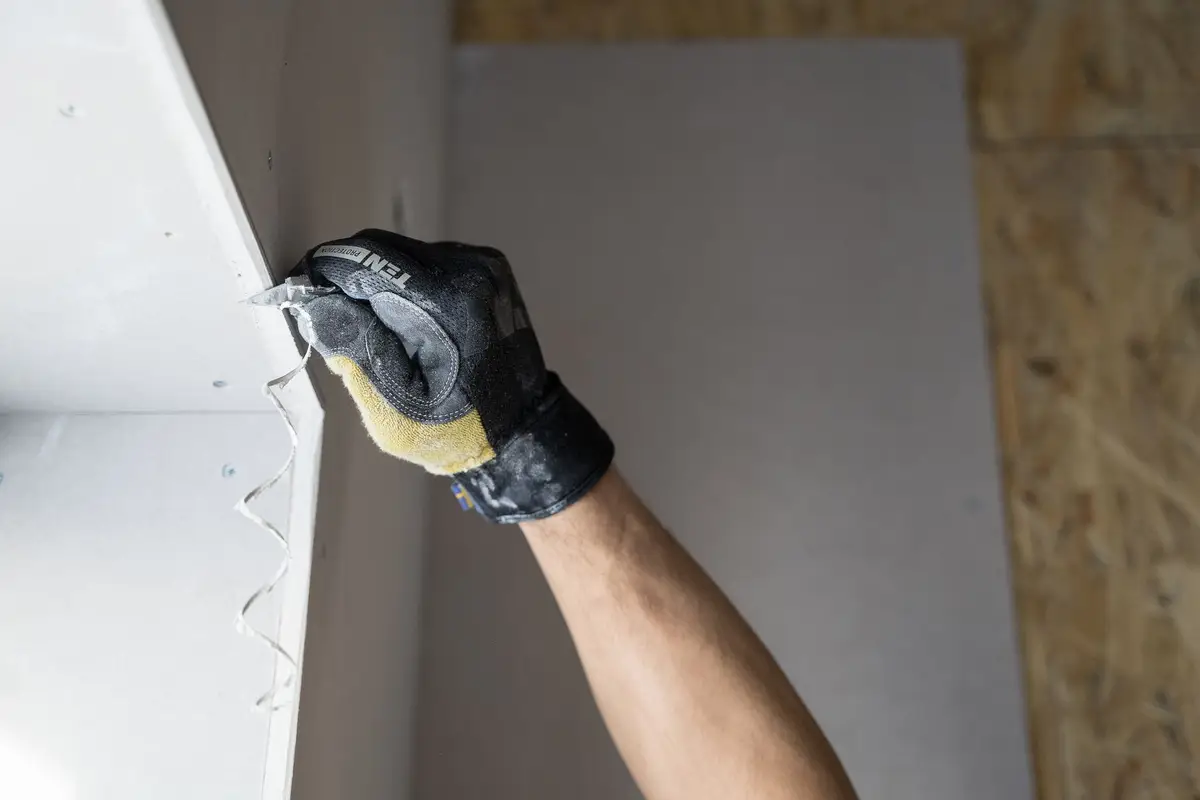
Drywall Finishing in Kyle, TX
Taping, mudding and sanding done in proper coats, so the wall looks flat under paint and under the afternoon sun coming through your windows.
- Tape, mud and sand
- Nearly 25 years in construction
- Kyle, TX based
Finishing is what you actually see
After the board is hung, every seam, screw head and corner still shows. Finishing is the layer of tape and joint compound that turns hung sheets into one continuous wall. It is also the part of the job a homeowner sees most clearly once the paint is on, because paint does not hide a poor finish. It highlights it.
The industry grades finishing in levels. Level 4 is the standard for most painted walls. Level 5 adds a thin skim coat across the entire surface and is the choice where raking light from a big window or a glossy paint would show every flaw. Knowing which level a room needs is half of the craft, and it is the question we ask before quoting.
Finishing is also where drywall and the rest of a remodel meet. Kitchens, hallways and living rooms with large windows show seams differently than closets and garages, and a room that will later get a texture needs a different finish than one that will be painted smooth. We plan the finish around what goes on top of it.
When a room needs professional finishing
- New drywall has just been hung and the seams, screws and corners are bare.
- A room has large windows or a hallway light that shows every ripple at an angle.
- You plan to use satin, semi-gloss or any paint with a sheen that exaggerates flaws.
- A previous finishing job left visible ridges, tape lines or sanding scratches.
- Wall sections were added during a remodel and now need to blend into existing walls.
- You want a smooth, texture-free wall in a room that currently has a heavy texture.
How drywall finishing is done, coat by coat
- Embed the tape. Paper or mesh tape is set in a first layer of compound over every seam, and screw heads are covered.
- Fill and flatten. A second, wider coat fills the edges of the tape and begins to flatten the seam. Inside and outside corners are coated separately.
- Feather the final coat. A thin top coat is spread wide, much wider than the seam, so the transition to the board disappears.
- Sand between coats. Each coat is sanded once dry. Dust is controlled so it does not travel through the house.
- Prime and inspect. A coat of primer evens out the surface, and the wall is checked under angled light before the painter starts.
What affects the cost of drywall finishing
Finishing is priced by the amount of seam and the level of finish, not simply by room size. The main factors are:
- Level of finish. A skim-coated Level 5 wall costs more than a standard Level 4 wall because it adds a full coat across the surface.
- Amount of seam and corner. Rooms cut up by many corners, soffits and arches take more time than open rectangles.
- Ceiling height. High ceilings require scaffolding or stilts and slow every coat.
- Drying time and coats. Humid weather lengthens the schedule even when the labor stays the same.
- Dust control. Occupied homes need more protection of floors and furniture than empty rooms.
Why we finish what we hang
When one crew hangs and finishes the board, the person who set the seams is the person who has to make them disappear, and that tends to improve both steps. Most finishing problems start with the hanging, and having both under one roof removes the finger-pointing.
Nearly 25 years in construction and remodeling also means we know what painters need from a wall. Call (512) 227-7360 to talk through the finish your rooms need before paint goes on.
Drywall finishing questions
What is the difference between Level 4 and Level 5 finish?
Level 4 is three coats of compound on seams and screw heads and is the standard for flat or matte painted walls. Level 5 adds a thin skim coat across the whole wall, which gives a more uniform surface for glossy paint or walls lit from the side by large windows.
Why does my wall show lines after painting?
Usually the seam was not feathered wide enough, or the finish level did not match the paint sheen. Satin and glossy paints reflect light and reveal ridges that flat paint hides. A repair means re-skimming the area, then priming and repainting.
How long does finishing take?
Each coat has to dry before sanding and the next coat. The work itself is spread over several visits rather than done in a day, and Central Texas humidity can lengthen drying time.
Will finishing make a mess in my house?
Sanding creates dust. Floors and furniture should be covered and sanding done with dust control, but any finishing job in a lived-in space needs some protection and cleanup. We plan that before the work starts.
Can you finish drywall that someone else hung?
Yes. We check how the board was hung first, since gaps, loose screws and poor seams change how the finishing goes. If something needs correcting before taping, we will say so up front.
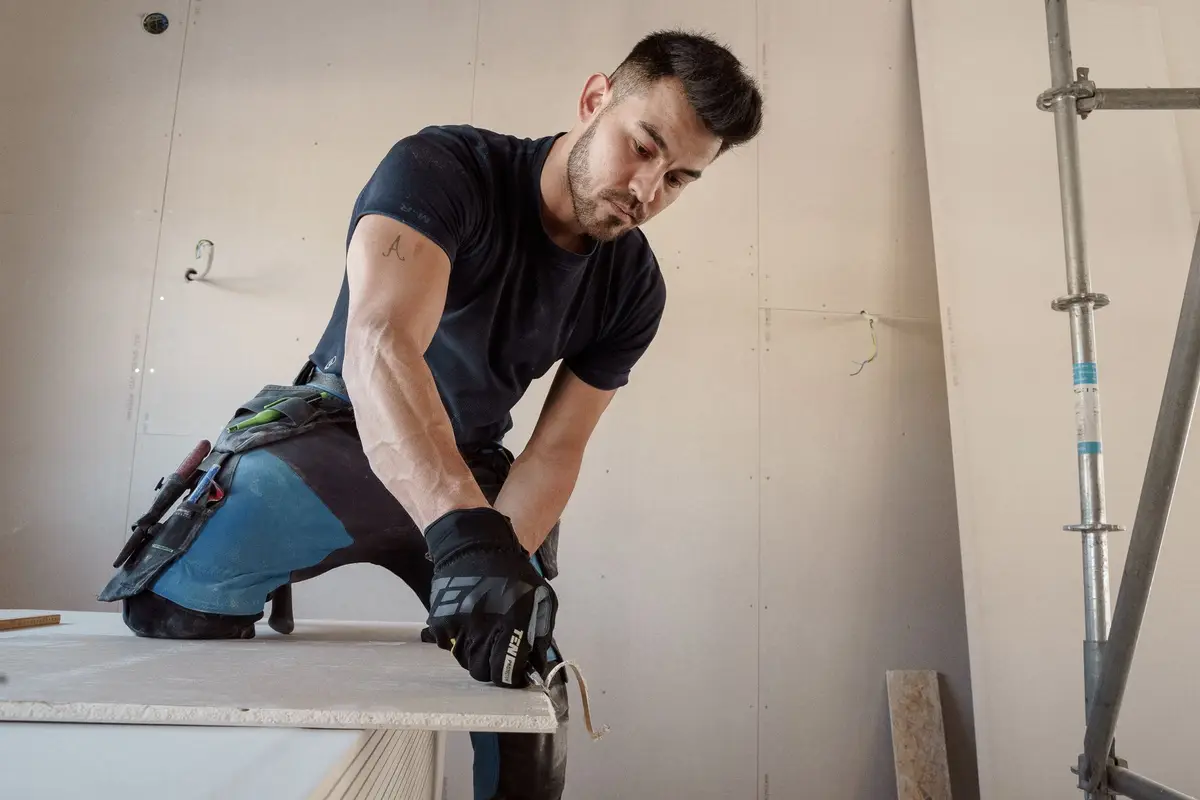
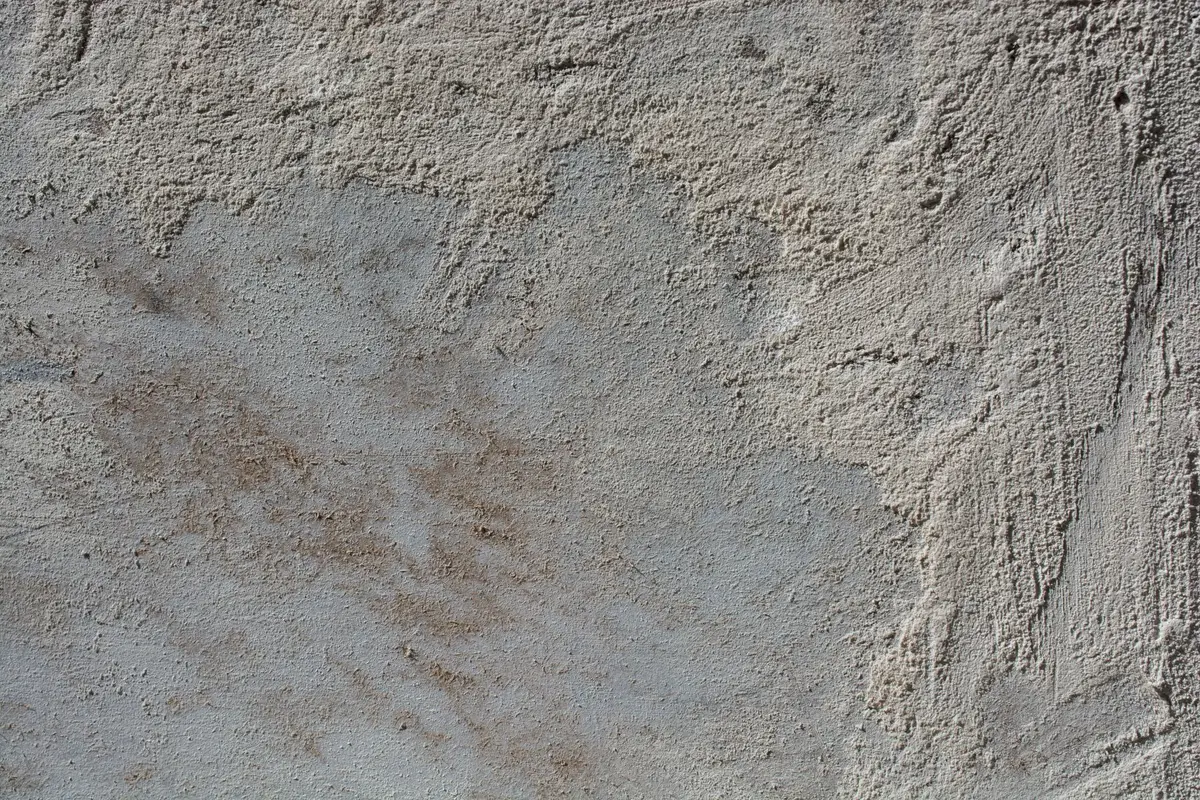
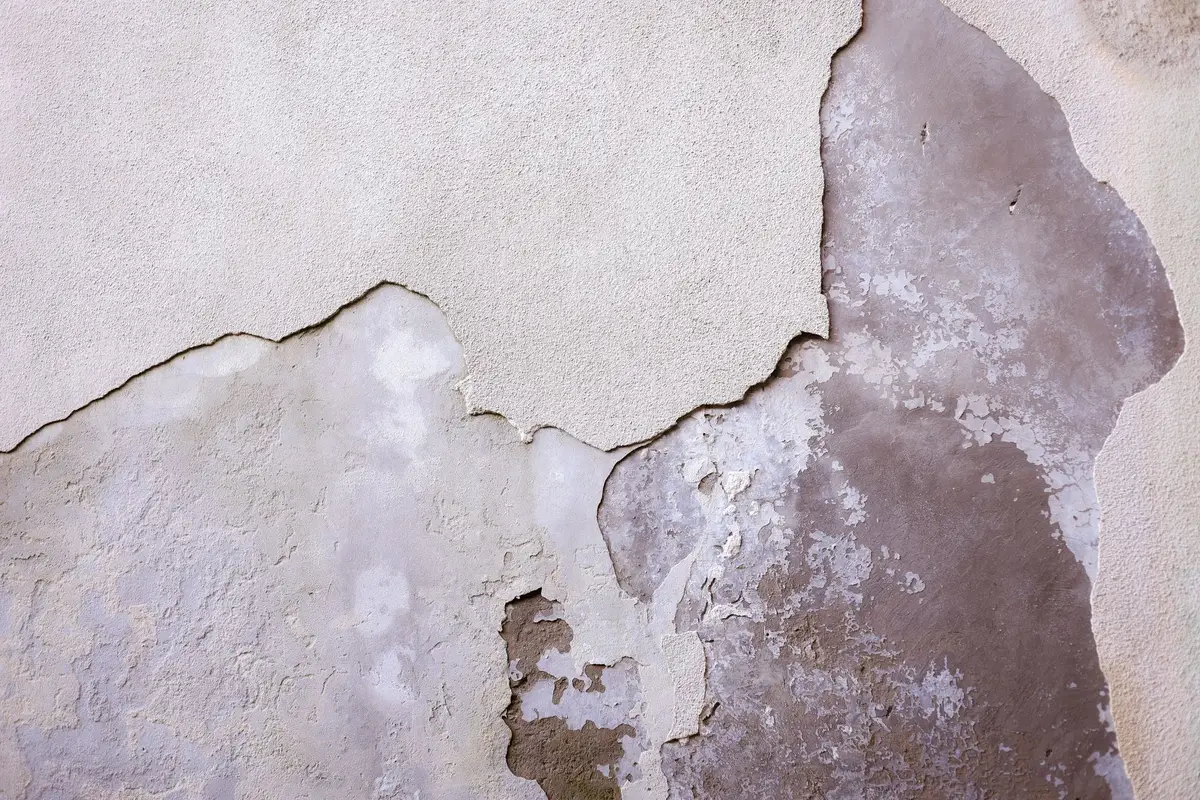
Ready for walls that look flat?
Call or send us the rooms and the paint finish you have in mind.