
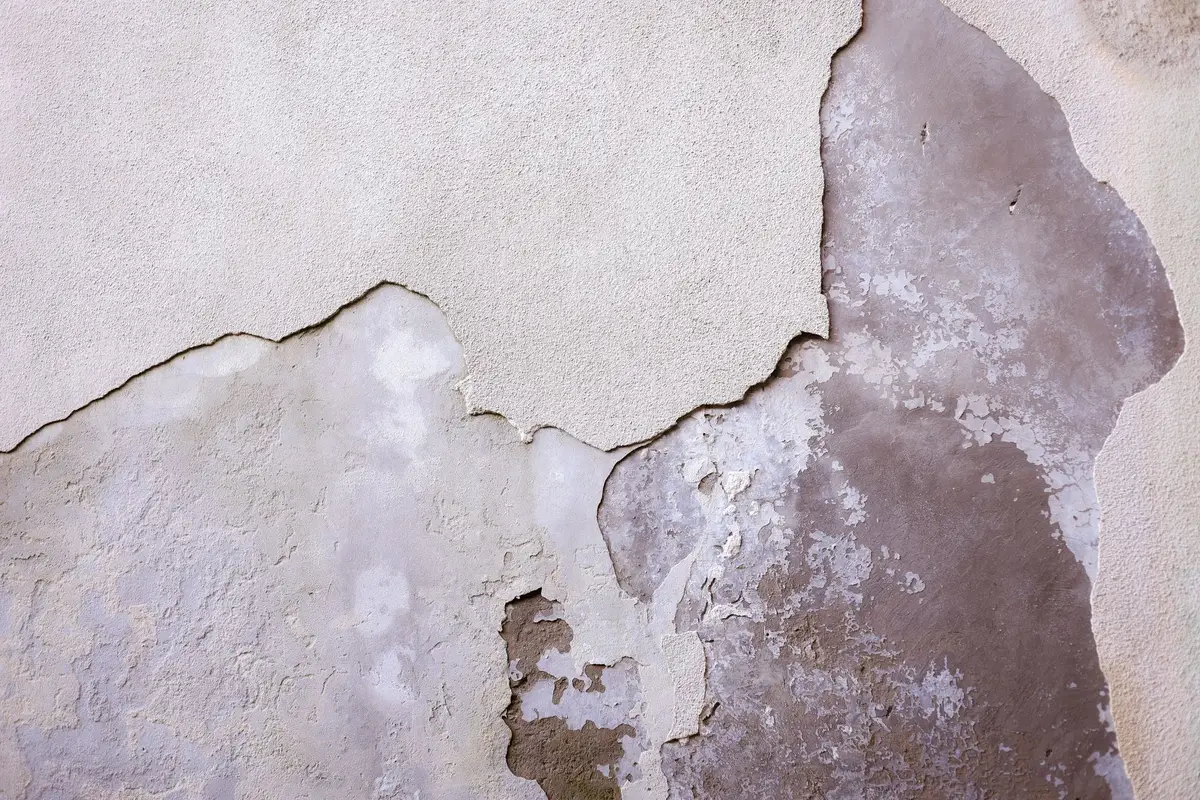
Drywall Repair in Kyle, TX
Holes, cracks, water stains and popped nails, repaired so you cannot find the patch once the wall is painted.
- Texture and paint-ready blending
- Nearly 25 years in construction
- Kyle, TX based
Repairs you stop noticing
Most drywall repair calls start small: a doorknob hole, a nail pop, a crack climbing from a door corner. The difference between a repair you forget about and one you see every time the light crosses the wall comes down to three details. How far the damage is cut back to solid board. How thin and wide the compound is feathered out. And whether the texture and paint blend into the rest of the room.
Central Texas adds causes of its own. Much of the Kyle area sits on expansive clay that swells in wet weather and shrinks in drought, and slab foundations move with it. Drywall shows that movement first, as hairline cracks over doors and windows, ceiling seams that open up, and corners that split. Add air-conditioner condensate leaks and roof leaks after a hailstorm, and many local repairs have a water story underneath.
We repair the wall, and we will say so when the wall is only a symptom. A crack that keeps returning or a stain that keeps spreading means the cause has to be fixed first. Patching over it only buys a few months. Larger jobs that open up the wall can be paired with texture matching and paint.
Damage that should be repaired, not ignored
- Holes from doorknobs, wall anchors, TV mounts or furniture that was moved in a hurry.
- Cracks running up from the corners of doors and windows, or along ceiling lines.
- Brown or yellow stains on a ceiling, or paint that bubbles and peels in one spot.
- Nail or screw heads showing as small circles under the paint.
- Soft or crumbling drywall after a plumbing, AC or roof leak.
- Tape seams that lift, ripple or show a visible line down the wall.
How a drywall repair is done
- Find the cause first. We look at whether the damage is old and stable or still active, and where any moisture came from. A leak that is still dripping gets fixed before anything is patched.
- Cut back to sound board. Crumbling, wet or loose material is removed until the edge is solid, so the patch bonds to something that will stay put.
- Patch or replace the section. Small holes take a mesh or metal-backed patch. Larger openings get new board fastened to framing or to added backing.
- Tape and coat in thin layers. Compound goes on in several thin coats, feathered wide, and sanded between coats so there is no ridge at the edge.
- Match texture and prime. The surface is textured to match the surrounding wall, primed so the patch does not flash through, and left ready for paint.
What affects the price of a drywall repair
A single nail pop and a water-damaged ceiling are very different jobs, and the quote reflects that. These are the factors that count:
- Size and number of repairs. A visit to fix several small spots is priced differently from one large section.
- Water damage. Wet board often has to be cut out and replaced, and insulation behind it may need attention too.
- Wall or ceiling. Overhead work is slower and harder to blend.
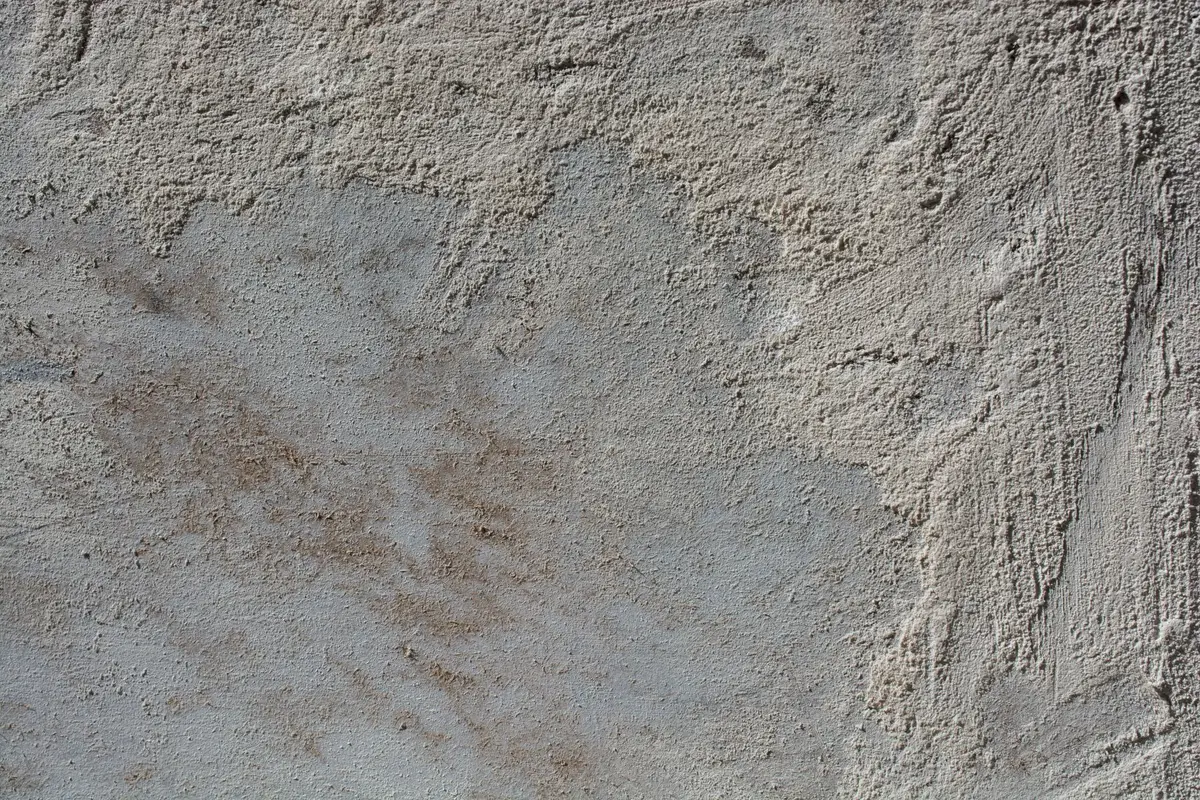
- Texture to match. Smooth walls are simplest. Knockdown, orange peel and older popcorn ceilings take more care to match.
- Paint. Whether the repair is left ready for you to paint or painted to match.
Why people hire us for drywall repair
Repair work is where drywall experience shows. Nearly 25 years in construction and remodeling means we have seen the cracks that signal foundation movement, the stains that signal a slow leak, and the patches that fail because the edges were not cut back far enough.
We would rather tell you a stain needs a plumber first than patch it and have it return. Call (512) 227-7360 and describe what you are seeing.
Where we handle drywall repair
Repairs are our most local work. We fix walls and ceilings throughout Kyle and the neighboring San Marcos area, where older rental and student housing sees plenty of wall damage.
Drywall repair questions
Can you patch a hole without repainting the whole wall?
Often yes, but it depends on your paint. Patches are primed and painted, and if the old paint has faded, the new spot can look different. Painting the full wall from corner to corner is the surest way to hide it, and we can quote either approach.
Why do cracks keep coming back above my doors?
Door and window corners are weak points where framing is cut and drywall is stressed. If the house moves with seasonal soil changes, those corners reopen. A properly taped and reinforced repair lasts longer, but a house that keeps moving can still crack again.
Can you just paint over a ceiling stain?
Not as a fix. If the stain came from a leak, the leak has to be found and repaired, and soaked board often has to be replaced. A stain-blocking primer on damp or moldy board only hides the problem for a while.
How large a hole can be patched instead of replaced?
Small holes up to a few inches take a patch. Anything bigger usually gets a cut-out section of new board fastened to framing, which is stronger and finishes flatter than a very large patch.
Will the texture on the repair match the rest of the wall?
It can be matched closely for common textures like orange peel and knockdown. Older or hand-applied textures take more work, and we will tell you up front how close a match is realistic.
Related drywall services
Part of our Drywall work.
Damaged wall or ceiling?
Call or send a photo and we will tell you what the repair involves.