
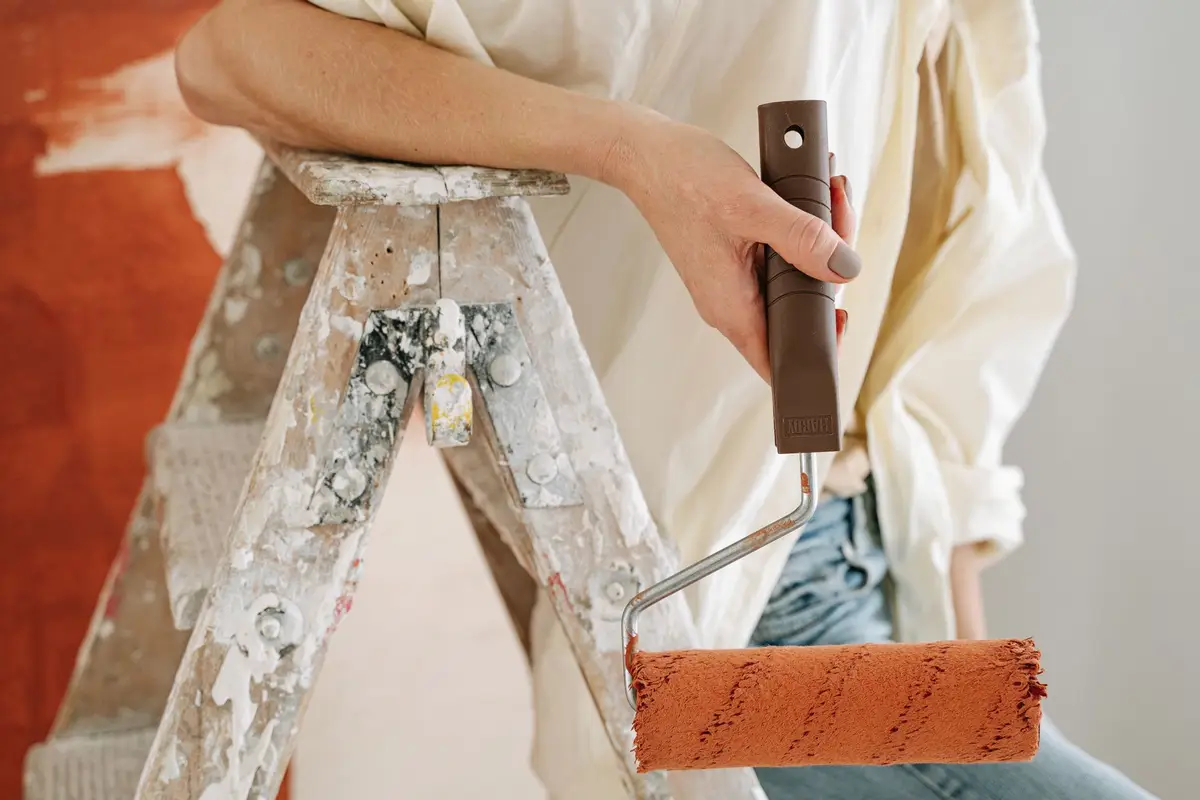
House Painter in Kyle, TX
Interior and exterior painting that starts with the prep work most jobs skip, so the paint is still on the wall when the next summer ends.
- Prep first, paint second
- Nearly 25 years in construction
- Kyle, TX based
Paint lasts as long as the prep underneath it
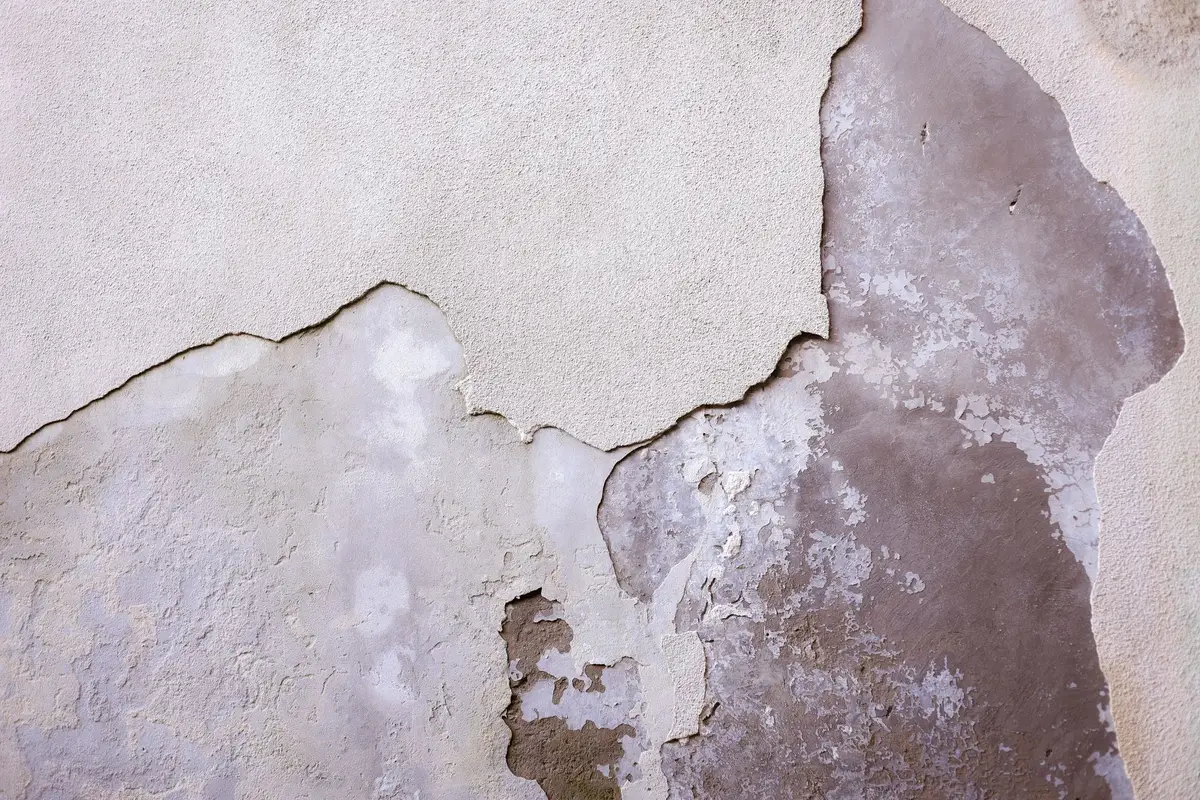
Paint is the most visible and the cheapest part of a wall. What makes a paint job last, or fail in a year, is everything done before the first coat: scraping loose paint, patching holes, caulking gaps, sanding glossy surfaces and priming bare spots. A quick job skips most of that and shows it within a season.
Texas sun is hard on exteriors. Strong UV, summer heat and swings between dry spells and heavy rain chalk, fade and crack paint, especially on south and west walls. Whether the house is brick, stucco or fiber-cement siding, which is common on newer builds, each surface needs the right primer and the right paint. Trim, fascia and garage doors take the worst of the sun and benefit from the most careful prep. Exterior work also depends on weather. Paint should not go on in extreme midday heat or just before rain.
Interiors are different. Color choice, sheen and how light moves through the room matter more than weather, and wall quality matters most of all. Glossier sheens show every flaw, so a wall with visible patches may need finishing work before it is ready for satin or semi-gloss. Homes built before 1978 may also have lead-based paint, which requires specific safe practices before sanding or scraping.
Signs your house needs repainting
- Exterior paint is chalky, faded or peeling, especially on sun-facing walls and trim.
- Caulk at windows, doors and trim has cracked or pulled away.
- Interior walls have scuffs, stains or old patches that wiping does not remove.
- Ceiling or wall stains remain after a leak has been fixed.
- You are changing colors or preparing the house to sell.
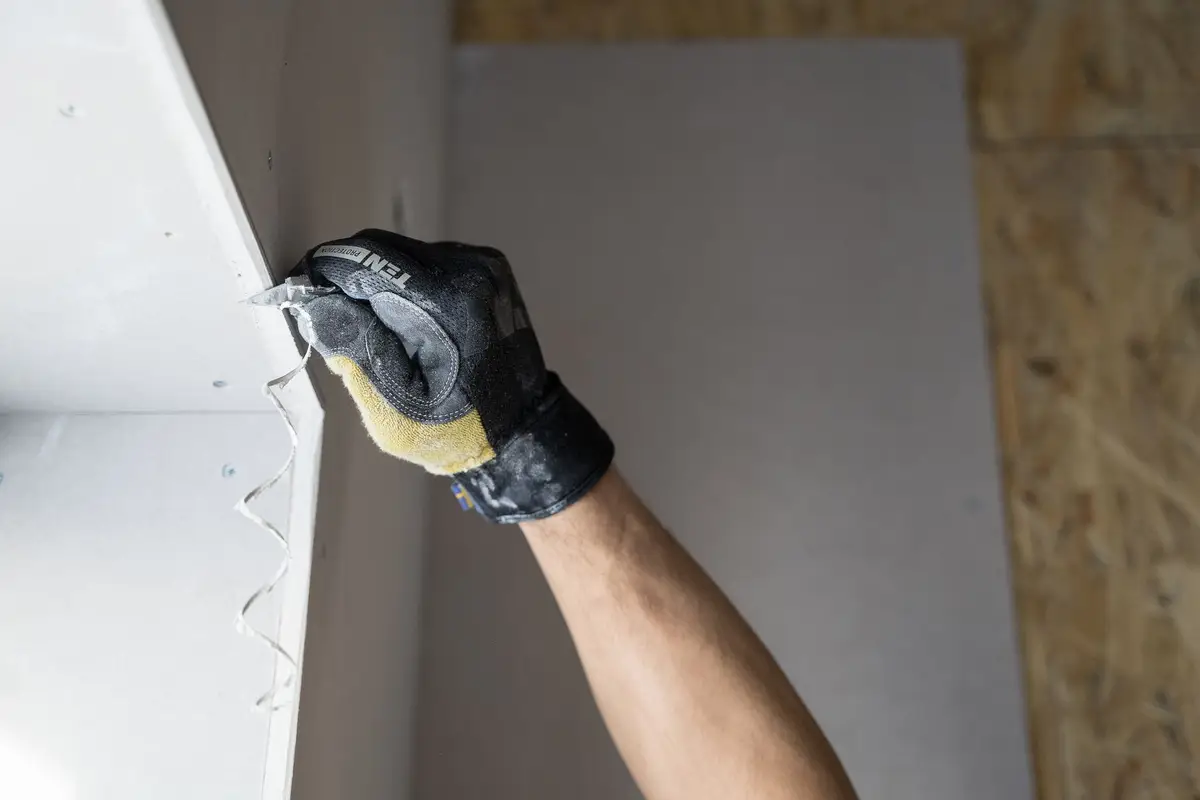
- Recent drywall repair or remodeling left bare compound and patches that need paint.
How a house painting job goes
- Look at the surfaces and agree the scope. We check condition and decide what is being painted, including trim, doors and ceilings, and what color and sheen you want.
- Protect and prepare. Floors, furniture, landscaping and fixtures are covered. Loose paint is scraped, glossy areas sanded, holes patched and gaps caulked.
- Prime where needed. Bare wood, patched areas, stains and drastic color changes get primer so the finish coats cover evenly.
- Apply the finish coats. Paint goes on in coats with the right drying time between. Exteriors are scheduled around weather and the sun.
- Remove tape and walk through. Edges are cleaned up, covers removed, and every room or elevation is walked through with you.
What affects the cost of house painting
Painting is priced by prep work and surface area, not just gallons of paint. The main factors are:
- Interior or exterior. Exteriors need more preparation, equipment and weather planning.
- Surface condition. Peeling paint, damaged trim and patched walls take far more prep than clean, sound surfaces.
- Surface type. Brick, stucco, fiber-cement siding, wood and drywall each use different products.
- Height and access. Two-story exteriors and high ceilings add time and equipment.
- Paint quality and color changes. Premium paint costs more, and covering dark colors needs extra coats.
Why choose us for house painting
Painters often inherit the mistakes of the trades before them. With drywall at the center of our work, we notice wall problems that a painter alone would paint over, and we can correct them first.
That means one crew handles repairs, finishing and paint, and the coat you see has a flat, sound surface under it. Call (512) 227-7360 to discuss your house.
House painting questions
How often should a house exterior be repainted in Texas?
It depends on the surface, paint quality and sun exposure. South and west walls typically fade first. Look for chalking, cracking and peeling rather than relying on a set number of years.
What time of year is best for exterior painting?
Spring and fall tend to offer milder temperatures. Painting in the middle of summer heat can make paint dry too fast, so work is best scheduled in the cooler part of the day and checked against the weather forecast.
Do I need to remove everything from the room?
No, but furniture should be moved to the center and covered, and wall hangings removed. We protect floors and edges, and a clear room makes for a faster, cleaner job.
How many coats of paint will I need?
Usually two coats over a primed or previously painted surface. Dramatic color changes, stains and bare patches may need primer first and extra finish coats.
Is lead paint a concern in an older home?
Homes built before 1978 may have lead-based paint. Sanding or scraping can create hazardous dust, so testing and safe practices come before prep work. Tell us the age of the house when you call.
Ready to repaint?
Call Dario or send photos of the rooms or exterior you have in mind.